The 24-Hour Property Damage Checklist Every Homeowner Should Have
What to do, and what to avoid, in the first day after damage hits your home. Built from thousands of real recoveries.
Marcus Reyna
Founder & Lead Recovery Strategist

Why the first 24 hours matter so much
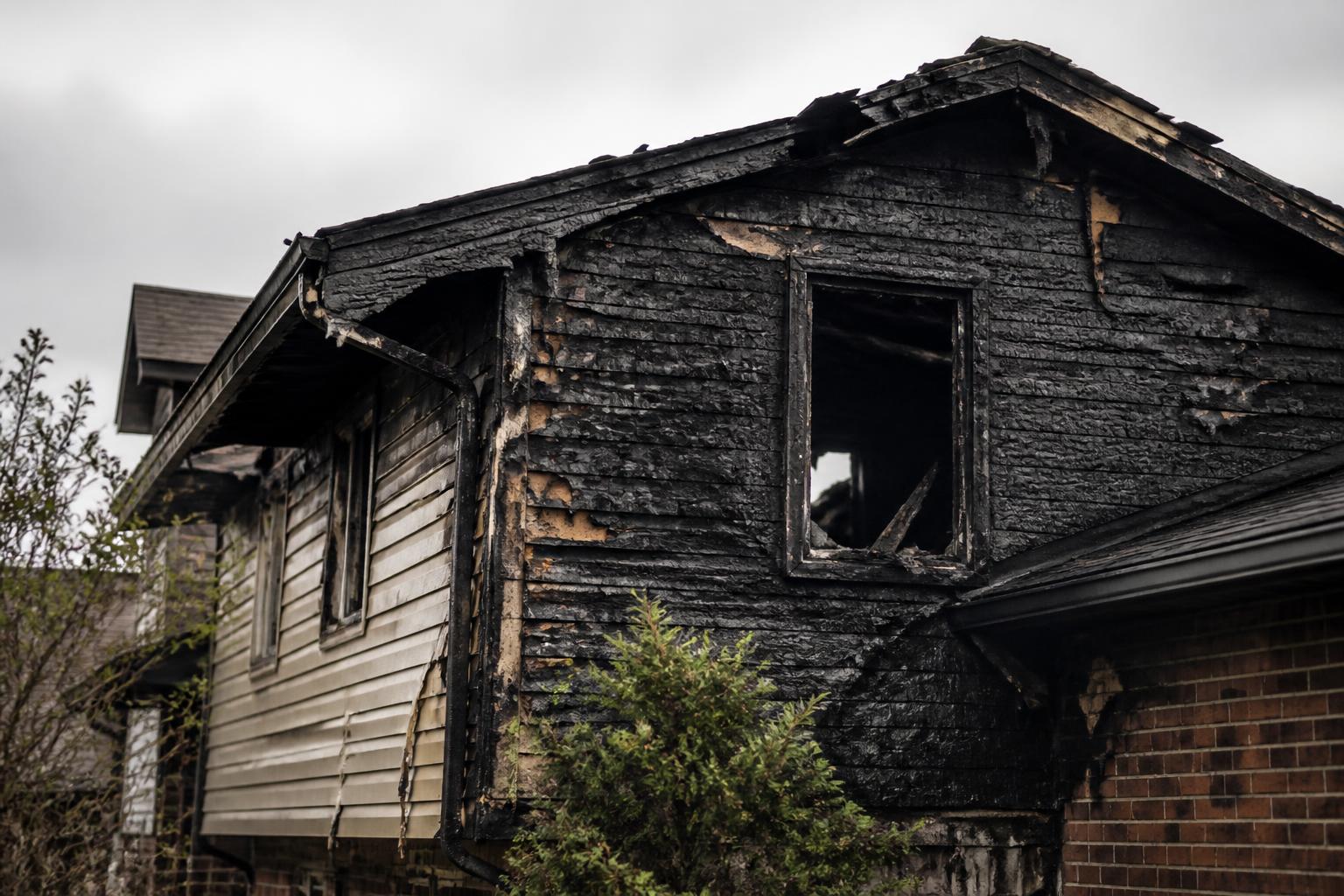
The decisions you make in the first day after property damage shape the next six months of recovery. Insurance carriers expect documentation. Contractors will be at your door. And the damage itself often gets worse before anyone arrives.
This checklist isn't about doing more, it's about doing the right things in the right order, so nothing important slips while you're still in shock.
Step 1: Make the home safe before anything else
Turn off electricity to any affected area. Don't walk through standing water near outlets. Look up, sagging ceilings and loose roofing can fall without warning.
If structural damage is visible, leave the home and call a recovery specialist before going back in.
Step 2: Document everything before you touch it
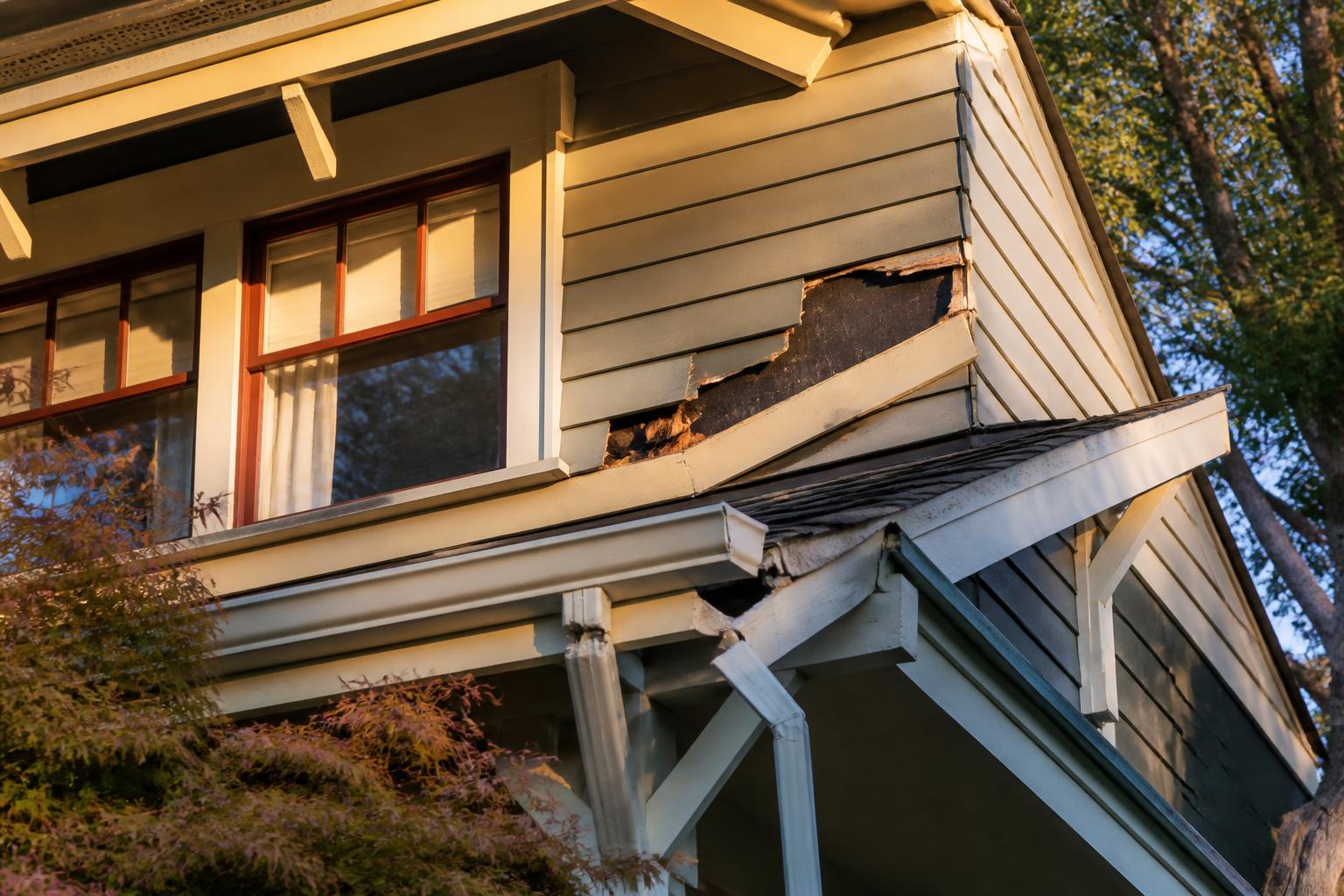
Take wide shots of every room, then close-ups of the damage. Capture the date and time on your phone. Photograph the exterior from multiple angles, including the roof if it's safe from the ground.
This documentation belongs to you. Don't hand the only copy to anyone, not a contractor, not a 'public adjuster' who knocked on your door.
Step 3: Stop the damage from spreading
Cover broken windows with plastic sheeting. Tarp exposed roof areas. Move undamaged belongings out of wet areas. Keep receipts, these mitigation costs are often reimbursable.
Step 4: Get one trusted set of eyes on the property
Before signing anything with anyone, get an independent assessment. A good recovery partner gives you photos, notes, and options, not pressure.
About the author
Marcus Reyna
Founder & Lead Recovery Strategist
Marcus spent 18 years in disaster response before founding NPSG. He writes about the things homeowners are rarely told when damage hits.
- IICRC-Certified
- 18+ yrs disaster response
- Licensed GC